
Article Navigation
- Core Maintenance Principles
- Essential Tools
- Cleaning Supplies
- Protective Equipment
- Finish-Specific Care
- Maintenance Scheduling
- Professional Resources
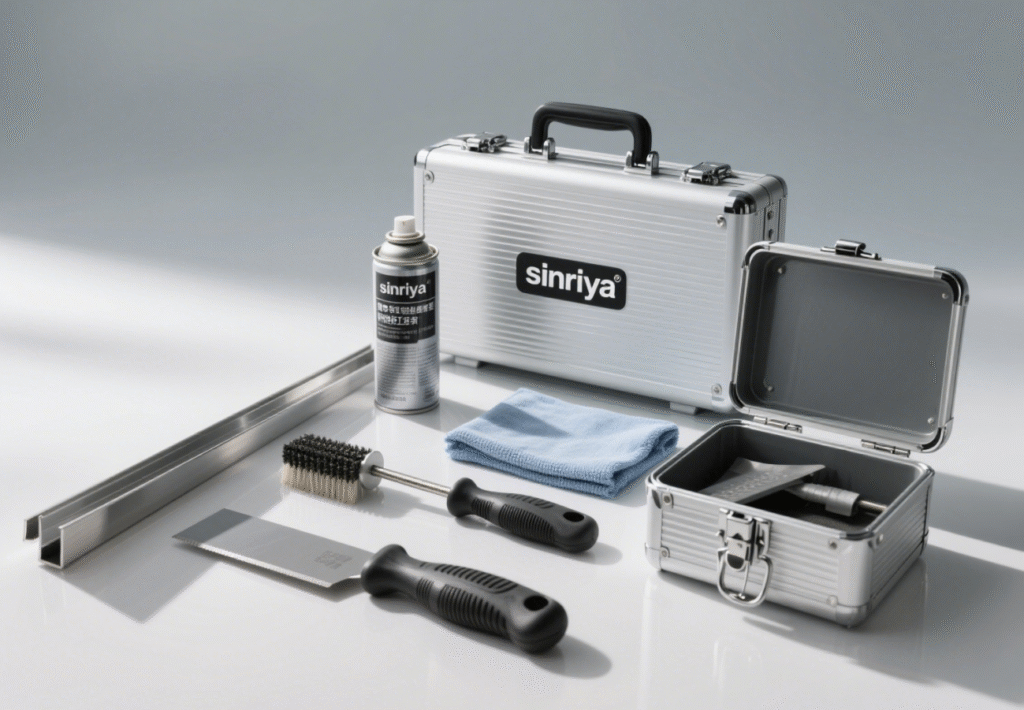
🔧 Professional Maintenance Toolkit
Hi, Chris HUANG here, from the very heart of Sinriya in Foshan. Throughout my years of direct work with architects, designers, and construction managers, one question keeps on arising: how to ensure the long-term performance of design. You can specify the best-performing, most stunning materials, but if not properly maintained, their functional and aesthetic lifespan will be reduced. This is even more true for architectural metal trims. While materials like aluminum are chosen because they are durable, they are hardly maintenance free. A little bit of knowledge and a decent toolset can be the difference between a ten-year finish and one that peels off in three years.
This has nothing to do with cleaning; it’s preservation. It’s preserving the investment that your customers have put into their project and maintaining the integrity of your design intent for generations to come. That’s why I’ve put together this ultimate guide—a carefully curated “toolkit” of products and processes honed from our extensive experience in the B2B building materials industry. We’ll cut through the basics and talk about professional-level solutions that keep architectural metalwork looking showroom quality.
What is the Foundation of Any Good Metal Care Kit?
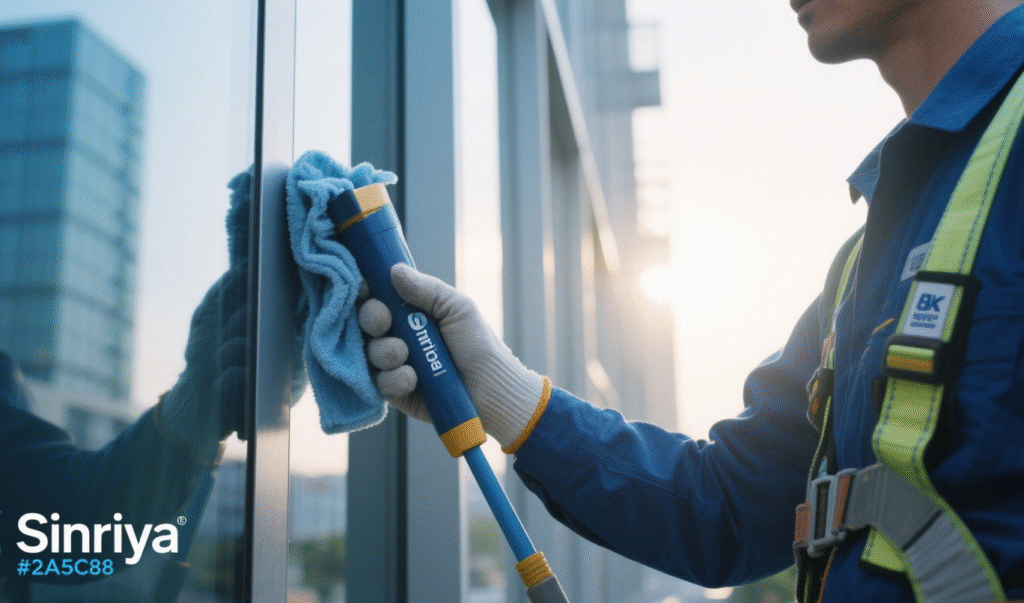
Let’s cover the non-negotiables before we talk about individual finishes and advanced topics. Any maintenance closet for a commercial or high-end residential project should have these basics. Number one on the list are lint-free, good quality microfiber cloths. These are your front line for nearly every cleaning task. They are gentle, non-abrasive, and clean well without laying down scratches or fibers, something that smooth finished surfaces require. Next, you need a collection of soft-bristled brushes. These are worth their weight in gold in reaching into crevices in complex profiles or texture surfaces where dirt can accumulate. Under no circumstances at all should you use steel wool or rough wire brushes, as these will destroy the finish beyond repair.
The foundation of your cleaning products should be a pH-balanced, mild soap. Most mild dish soap or neutral cleaners specifically designed for use on trim are ideal. Harsh acidic or alkaline cleaners will chemically attack the protective coating on the metal trim, causing discoloration and early failure. Keep a supply of a few spray bottles handy to dilute your cleaners. For rinsing, ready availability of fresh, clean water must be present in order to remove soap residue that could create streaks or spots. Finally, a soft rubber squeegee and chamois pad work wonderfully for drying surfaces, especially in large applications like storefronts or curtain walls, leaving a streak-free finish that prevents water spots from forming as the surface dries. This is an easy equipment setup that will be able to handle about 80% of everyday maintenance scenarios and, more significantly, safely.
How Should You Approach Cleaning Different Aluminum Finishes?
It helps to be familiar with the specific finish on your aluminum trim because each will be done a little differently. Anodized aluminum and powder-coated aluminum are the two finishes most commonly utilized in architectural uses. For anodized aluminum, the goal is to clean without reducing the integral, electrochemically formed oxide layer. A mild soap and water solution is usually the only thing needed to clean normally. Use it with a microfiber towel or soft sponge, in the direction of the metal grain if accessible. For tough stains, a non-abrasive pad may be employed, but never with uneven, strong pressure. Harsh chemicals must be avoided, since they can etch the surface and reduce the finish. After cleaning, clean water is essential to flush out thoroughly all the cleaning residues. For installation best practices, consult our architectural aluminum fitting guide.
For powder-coated aluminum, the care is also alike, but protection is in the baked-on polymer form. It is very abrasion-resistant but can be scratched by abrasive materials. Again, mild detergent and warm water is your best bet for regular cleaning. Textured surfaces should be wiped clean with a soft-bristled brush to remove dirt. Grease or sealer residue stains that are more resistant may be removed with a damp cloth and mineral spirits, but spot-test first in an inconspicuous area to ensure it won’t ruin the gloss or color of the coating. Some professionals recommend applying a high-quality, non-abrasive car wax with a UV inhibitor following cleaning. It gives another protective layer, adds brilliance, and safeguards the finish against sun degradation, which is especially beneficial for outdoor use.
Are There Any Specialized Products Available for Toughest Stains and Oxidation?
At some point, you will encounter some situations beyond ordinary dirt and grime. For them, your kit needs a few specialized problem-solvers. For anodized aluminum that is starting to form light oxidation—a chalk or misty appearance—special anodized aluminum restorers and cleaners can be employed. They are developed to dissolve the oxidation chemically without damaging the underlying anodized finish. They are usually applied to restore the original sheen and color of dulled trim, particularly on older buildings. Following the application of such a restorer, a specific sealer can be used to seal the freshly cleaned surface and extend the restored look.
For stubborn stains on stainless steel trim, such as fingerprints or oil smudges, a specialized stainless steel cleaner may be used. Or a 10% phosphoric acid solution with subsequent ammonia and water rinse will be effective for more severe discoloration, but this is something to do with caution and appropriate protective equipment. Small scratches on both aluminum and stainless steel can sometimes be treated. Delicate scratches on stainless steel can be buffed out using a fine abrasive pad and a stainless steel polish after the grain. Sanding anodized aluminum is not recommended because the anodized coat is extremely hard and you would be exposing the underlying bare aluminum. In such cases, minor rub marks sometimes can be minimized using a mild abrasive pad before applying a touch-up paint for anodized finishes.
What are the Most Common Errors to be Avoided at All Costs?
In maintenance, what you don’t do is typically more important than what you do. The most common and damaging error that I see is using the wrong cleaner. Harsh, abrasive cleaners or scourers are the greatest foe of any architectural surface finish. They cause micro-scratches which not only dull the surface but also give dirt and pollutants a hold to speed up deterioration. Similarly, using extreme application of acidic or alkaline chemical cleaners is a recipe for disaster. These can etch, stain, or discolor the finish permanently, creating irreversible damage. Another frequent error is cleaning hot sun-heated surfaces. Applying cleaning chemicals to a hot metal surface can cause an excessive evaporation of the water, resulting in very hard-to-remove streaks composed of concentrated chemical residues. Clean always cool shaded surfaces.
Also, incorrect rinsing is a seemingly harmless but critical flaw. Soap and cleaner residue will draw in dirt and, over time, form a dulling film on the trim finish. An adequate final rinse with fresh water is not a choice. Finally, dirty tools, such as having a steel wool pad that was used previously on carbon steel, will lay down iron particles onto a stainless steel or aluminum surface, which results in galvanic corrosion and rust spots. Always work your metal trim using clean, specialized tools.
When Should You Consider Protective Coatings and Sealants?
Preventive protection is always cheaper and better than reactive repair. A protective coating or sealant on your metal trims will make them very durable and shiny, especially under severe conditions. For exterior powder-coated aluminum, especially in coastal areas with salt spray or heavy-industry areas with intense pollution, a protective wax or special polymer sealant should be applied every one to two years to create an essential barrier against corrosive forces. They function similar to an umbrella, repelling water and grime before they can land and strike the finish. For interior trim like high-touch stainless steel pieces such as handrails or corner guards, a quality metal polish not only cleans but also adds a thin, protective layer that resists fingerprints and smudges, requiring less cleaning.
For anodized aluminum, there are also clear sealants designed that bond to the anodized finish. These can be particularly applied after a restoration cleaning in an effort to “lock in” the refinished finish and provide a second layer of UV and contaminant protection. This method is widely practiced for commercial building maintenance in an attempt to increase the interval between deep cleanings. It becomes part of the routine maintenance is a indication of a professional, long-term maintenance ethic for building care. It reorients the thinking from simply cleaning the dirty to actually maintaining the integrity of the material.
How Do You Create a Long-Term Maintenance Schedule?
A “clean it when it looks dirty” mentality is not adequate for professional B2B applications. A routine, long-term maintenance plan is required for maintaining the asset’s value. The frequency of cleaning varies considerably by environment. In low-pollutant urban or rural settings, an annual cleaning can be employed for exterior trims. But in coastal, high-salinity settings or high-density industrial settings, cleaning would need to be carried out quarterly or even monthly to prevent corrosive deposit buildup. The frequency needs to be documented and integrated with other building maintenance cycles, like window washing, for maximum efficiency.
Its maintenance schedule must also have a clear distinction between periodic cleaning (e.g., monthly or quarterly mild soap wiping) and deep cleaning/inspection (e.g., annual or biennial detailed wash, sealant failure inspection, and reapplied protection coats). As it is doing the deep cleaning, maintenance staff should inspect all of the trims for any type of damage, looseness of fasteners, or finish wear. Detection of these issues at an early stage keeps small problems from becoming costly repairs. For example, noticing a degraded sealant joint and re-caulking the joint can prevent water invasion that not only damages the trim, but also the underlying building structure. A well-defined schedule allows frequent maintenance and planning for maintenance materials and labor, making building maintenance an active asset management function as opposed to a reactive one.
What Tools Are Needed for Minor Repairs and Adjustments
Aside from tidying, a maintenance set must contain minor repair and adjustment equipment. Even the most flawlessly installed trims can be in need of resolution every now and then. A good-quality trim removal tool, typically a thin, wide-bladed steel tool with a wedged center, is worth its weight in gold for prying off bits of trim without hurting the trim pieces or the surrounding wall surfaces. This is to access areas behind the trim in order to inspect or repair. A set of non-marring plastic pry bars is also useful for more delicate work where even a metal bar would leave scratches.
A fastener kit is also necessary. These must be replacement screws, preferably stainless steel for outdoor use to prevent rusting and corrosion. A variable-speed cordless drill with a decent set of bits allows for gentle control tightening loose fasteners or fitting replacements. To caulking gaps and joints, one needs a professional-grade caulking gun. Coupled with high-performance, UV-stable sealants that are compatible with metal, this makes resealing of joints successful in preventing water and air entry. Finally, a small bottle even of color-matched touch-up paint, which is for the trim’s finish, is necessary to repair minor scratches or blemishes, thereby preventing them from expanding into larger issues and maintaining the installation as perfect as it can be.
How Do You Ensure Your Maintenance Program Succeeds?
The success of any maintenance program is based on far more than having the right tools and products; it requires a clear plan and proper training. First, it is important to adhere to the manufacturer’s specific care instructions for products installed. These are developed from extensive testing and provide the safest, most effective methods. Forgetting to clean them properly may lead to deterioration and even void the product warranty. Second, instructing the cleaning staff not only on the how but also the what is necessary. They must be instructed on how to spot the early signs of finish failure, sealant deterioration, or physical abuse. This makes them no longer mere cleaners but the first line of defense against the building’s exterior integrity.
Record-keeping is yet another cornerstone to success. Keeping a careful account of every maintenance activity—what was worked on, when it was worked on, what chemicals were used, and what issues were seen or resolved—is a treasured history. This history is used to optimize the maintenance calendar, track the performance of different chemicals, and justify maintenance spending. It creates accountability and is a leveler to ensure consistency of care, regardless of turnover in personnel. A properly implemented maintenance scheme is a direct indication of the standard of a building’s management and lies at the heart of maintaining the client’s architectural intention and investment in the long term.
Further Technical Resources
Explore more technical bulletins for high-rise applications.
We at Sinriya consider ourselves to be so much more than supply; we are partners in your project success from design through to the entire life of the project. The elegance and longevity of aluminum trim bear witness to the magic of modern materials science, but its maintenance is a craft. Should you have questions about establishing a maintenance program or need some advice in connection with some issues with architectural aluminum, please contact us. We know this field and are always standing by to help you ensure your projects endure for many years to come.
Sources:
- linetec.com
- feeneyinc.com
- homepreservationmanual.com
- jmaluminium.com
- oemaluminiumprofile.com
- sunsongss.com
- reformcph.com
- duluxpowders.com.au
- alnew.com
- finishing.com
- floorandwallsolutions.co.uk
- machinemfg.com
- lightmetalscoloring.com
- winsen-tiletrim.com
- ebay.com
- hubindustrial.com
 DA
DA  EN
EN  AR
AR  FA
FA  ES
ES  FR
FR  DE
DE  PT
PT  RU
RU  ML
ML  ID
ID  SK
SK  JA
JA  VI
VI  TR
TR  TH
TH  NL
NL  SV
SV 


68win22
I’m more into the sports betting side of things so I tried 68win22 last time, and they had pretty good odds. Worth a look if you’re placing some bets on the games this weekend.: 68win22
lovart
Lovart AI Design Agent is a game-changer for creative workflows, blending AI with tools like Figma and Photoshop. Its natural language design prompts could revolutionize how we conceptualize visuals.